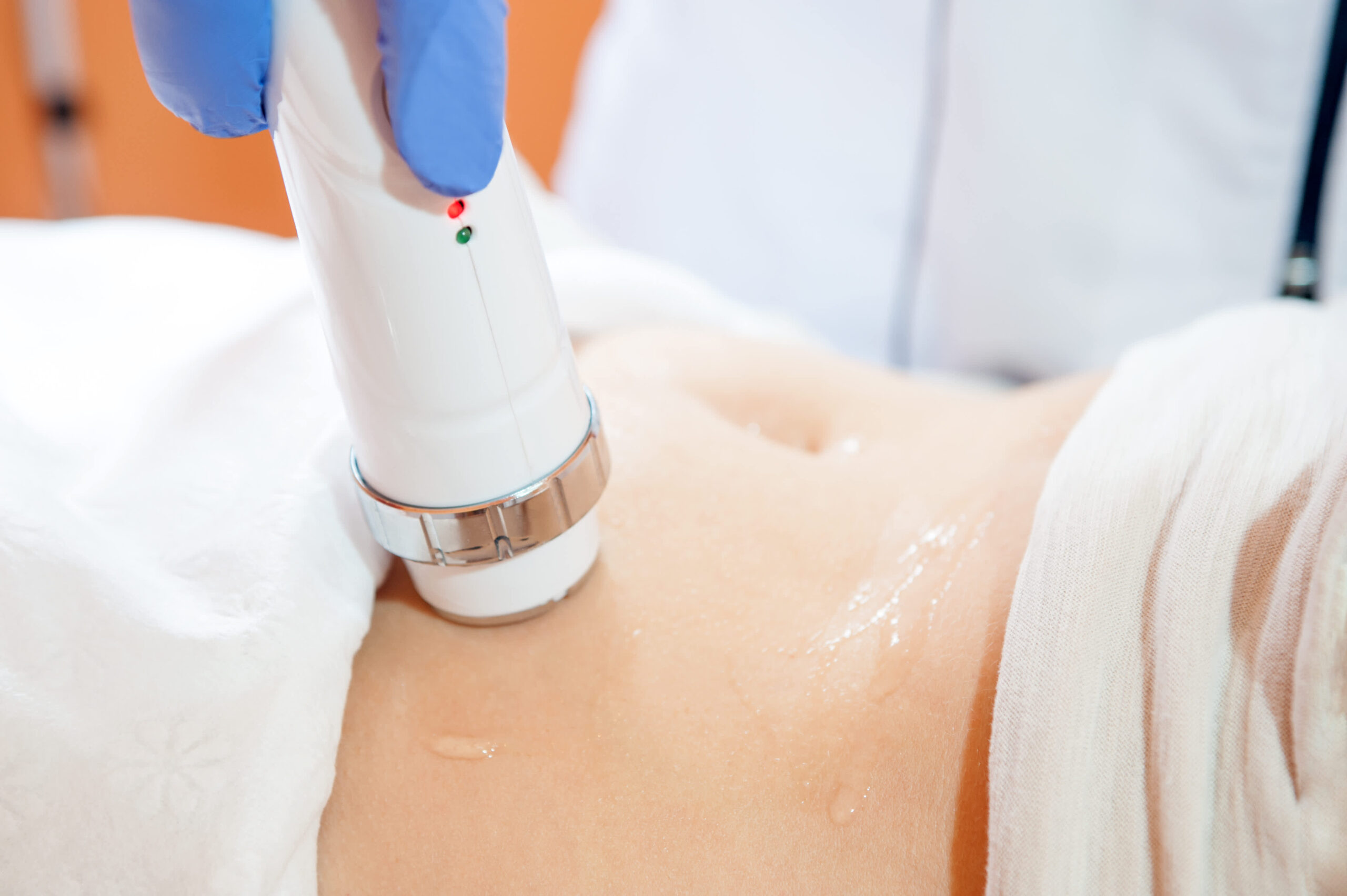
Congrats on getting ultrasound liposuction! It’s a non-surgical treatment that can help reshape your stubborn fat zones. You also need to have a smart post-care plan to maintain this new shape. In this post, we will focus on the part your diet, hydration, exercise, and daily habits play in helping results last. We will also cover realistic expectations, follow-up steps, and answers to FAQs to help you. Let’s get to it.
What is Ultrasound Liposuction?
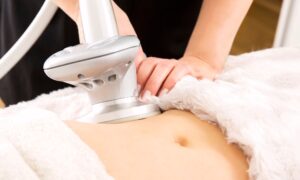
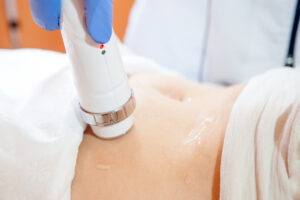
Ultrasound liposuction treatment focuses on fat reduction using ultrasound energy to liquefy fat cells so they can be removed more easily. It is also far less invasive compared to old-style liposuction surgery and offers less downtime.
Once the treatment is complete, your body will need support so the fat cells stay gone and the results are visible.
Why We Need a Post-Treatment Plan
- It stays gone; however, the remaining fat cells surrounding the removed ones can grow.
- If there is no plan, your body can revert to old habits and fat can re-accumulate.
- A plan helps maintain your contour, and positively affects your skin tone and overall health.
With ultrasound liposuction, your effort after the treatment counts just as much as the procedure.
Early Recovery: Weeks 1 to 4
What you should do
- Use any compression garments your clinic prescribed to help with swelling and help your skin adapt.
- Gentle movement, such as light walking, standing, and easy chores, helps circulation.
- Keep your diet clean: lean proteins, whole grains, and vegetables with minimal processed foods.
- Drink plenty of water. Your body needs fluids to help with the healing process.
- Don’t do heavy workouts or have alcohol and big meals at one sitting.
What to avoid
- Crash diets, cutting calories to extreme amounts, or doing very heavy exercises too soon.
- Smoking and any other habits that will delay healing.
- Not paying attention to warning signs and delaying help (excess swelling, fever, or bleeding).
Keeping Fit: Nutrition & Hydration
Healthy Eating
- High-fibre foods are important. Try to get 30–35 g each day from vegetables, legumes and whole grains.
- Chicken, fish and beans are lean proteins that help maintain muscle while limiting fat.
- Healthy fats like nuts, olive oil and avocado are fine, just in moderation. Stay away from saturated and trans fats.
- Around 2–3 regular meals and snacks help with portion control.
- Sugary drinks, processed foods and alcohol should be kept to a minimum.
Staying Hydrated
- Good skin and healing require 2–3 litres of water each day (that’s about 8–12 cups).
- Keeping a refillable water bottle helps track how much you drink and keeps water handy.
- Sugary drinks add extra calories without any benefit, so avoid them.
Good hydration and a balanced diet aid healing and help keep fat away.
Movement & exercise
Planning & Progressing
- For the 1st 2 weeks: Try gentle walking and light stretching.
- For Weeks 3 and 4, if your doctor says it’s okay, you can do some low-impact cardio like swimming or biking.
- Once you reach Week 4, you can start your normal exercise routine with some cardio and strength training.
Long Term Route
- Try to do 150 minutes of moderate aerobic activities like walking, swimming, or biking in a week.
- Do strength training at least 2 times a week. Stuff like resistance bands, weights, or other body-weight exercises will increase your metabolism.
- Do some flexibility work, like yoga, as well. It helps with recovery, posture, and stress relief.
Why This Is Important
- When you build muscle, it helps your body burn more calories, and it helps you keep your results.
- Your activity will also keep your skin toned, and it will help keep the fat from shifting to the areas that haven’t been treated.
Results That Last
New habits
- Sleep: Sleep for 7–9 hours every night. Less sleep means more hunger hormones are active, and that means more fat.
- Stress Management: Don’t let stress make you eat. Use deep breathing, meditation, or yoga.
- Avoid Weight Fluctuation: Your contouring efforts will be undone by big up and down weight swings.
- More Movement: Use the stairs, take more walks during breaks, and stand or move more often during the day. All of these habits will really add up.
Treatment and Check-Ins
- Come back for your scheduled follow-up visits so your provider can check how you’re healing and your contours.
- If your provider suggests it, you can do maintenance treatments – like body-contouring or skin-tightening.
- Pay attention to areas that feel lumpy, uneven or tight, and let your provider know so it can be resolved.
What to Know
- Ultrasound Liposuction: Liposuction is not a weight loss procedure, so don’t confuse it with one. It is contouring!
- Treated fat cells are removed during the procedure, but new fat can still accumulate in untreated areas if you are not careful with your habits.
- The final results can take 3-6 months while the swelling goes down and the tissues settle.
- Your age, genetic factors, skin tone, and the amount of fat you had removed are all considerations of your individual post-operative results and appearance.
- This treatment plan will be part of the framework, but not a stand-alone solution.
7-Step Post-Treatment Checklist
- Keep your compression garment on as instructed and until you’re cleared.
- Walk every day (start with 10-15 minutes and increase over time).
- Drink 2-3 liters of water every day.
- Consume a balanced diet (lean protein, vegetables, and whole grains) and limit processed food.
- Once you are cleared, you can begin to do structured workouts and do your cardio with strength.
- Make sure you get enough sleep and keep your stress down.
- Be sure to check your consistency— use the scales, mirrors and textures you use and make your in-procedure check-ups.
Frequently Asked Questions
You can walk as soon as you want to, but ask your surgeon, since it can be 2-4 weeks before you can do moderate cardio.
Yes, if you gain weight back, it will expand the remaining fat cells and weaken your contour.
Stay with foods that are healthy and promote weight loss, like lean proteins, whole grains, green vegetables, healthy fats, and foods that are high in carbohydrates and fiber. Avoid foods that are processed.
Definitely. Water is important to help the body heal and helps with the condition of the skin as well as the metabolism.
Maybe. Touch-up treatments help to maintain your body and fix any skin or texture that needs to be addressed.
Final Thoughts
Your commitment to ultrasound liposuction needs to be matched with care and follow-up plans that make sense. By eating healthy, drinking enough water, exercising, getting enough sleep, and controlling your stress, you will be caring for your body for a long time. Your shape comes from the way you moved and the procedure added to it.
Your results are waiting for you. If you want more specific help, visit Your Designed Body Spa for a consultation. What you do next will help you get stronger and smoother!